Discard Bulky Items Without Breaking the Bank
Discard Bulky Items Without Breaking the Bank: The Ultimate Guide
Is your garage overflowing with unwanted furniture, worn-out appliances, or outdated mattresses? Are you eager to free up space, but worried about the costs? Disposing of large and cumbersome objects can be challenging. Many people mistakenly believe they need to spend a fortune to get rid of bulky items like couches, beds, and old electronics. Thankfully, with the right approach, you can discard bulky items without breaking the bank.
In this comprehensive guide, we'll explore various strategies to dispose of large items affordably. You'll discover a variety of options, from donation and recycling to coordinating neighborhood pickups and DIY hauling. We'll also delve into tips to avoid hidden fees and make your bulky item disposal eco-friendly and cost-effective.

Understanding Bulky Item Disposal: What Qualifies as Bulky Waste?
Before you start purging your unwanted possessions, it's essential to know what counts as a bulky item.
- Furniture (couches, chairs, mattresses, box springs, tables, etc.)
- Large appliances (refrigerators, washing machines, dryers, stoves, dishwashers)
- Electronics (TVs, computers, home theater equipment)
- Outdoor equipment (grills, bicycles, lawnmowers)
- Renovation debris (doors, bathtubs, carpets)
Each of these items presents unique disposal challenges due to size, material, or environmental regulations. The key is to identify the most cost-effective and sustainable way to get rid of bulky waste in your locality.
Why Proper Bulky Item Disposal Matters
Improper disposal of large and bulky items can lead to:
- Fines: Many local authorities impose hefty penalties for abandoning bulky objects in public areas or leaving them at the curb on unsanctioned days.
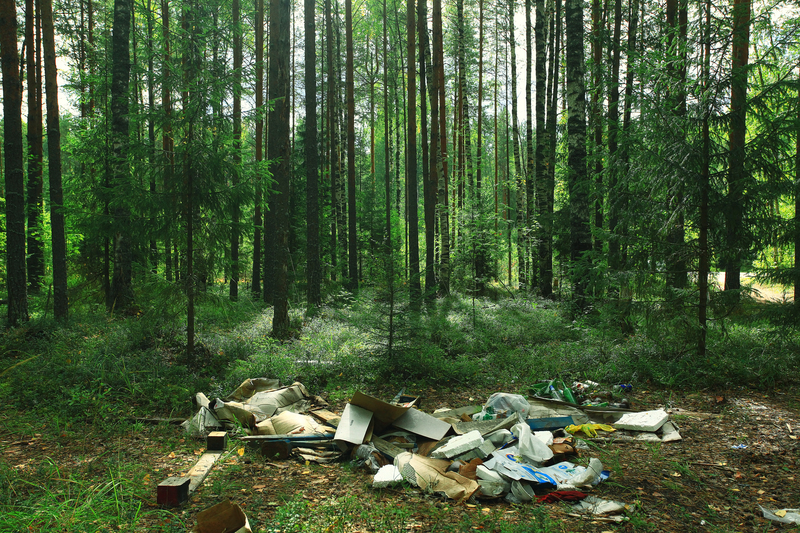
- Environmental Harm: Dumping large items in landfills or improperly disposing of electronics can release toxins and take up valuable landfill space.
- Community Issues: Abandoned bulky items become eyesores, attract pests, and lower neighborhood appeal.
Adopting the right strategies to discard bulky items without breaking the bank is not just good for your wallet - it's a benefit to your community and the planet.
Top Strategies to Discard Bulky Items Without Overspending
Ready to reclaim your space without emptying your wallet? Here are proven, low-cost ways to dispose of bulky waste affordably:
1. Utilize Your Local Municipality's Bulky Item Collection
Most cities and towns offer bulk waste pickup services either regularly or by appointment. Typically, residents are entitled to a certain number of free or low-cost pickups each year.
- Check your city's website: Look for the section on bulk trash collection.
- Schedule in advance: Demand can be high, especially in spring and summer.
- Follow the guidelines: Rules often cover the types of permitted items, weight restrictions, and placement protocols.
Pro tip: If you only have a small number of items--or can combine with neighbors--municipal pickup is usually the most economical choice to get rid of large objects.
2. Donate Gently-Used Items
One person's trash is another person's treasure! Donation is a win-win: it helps those in need and spares you disposal fees. Many charities and thrift stores will pick up large donations for free. Consider:
- Salvation Army
- Habitat for Humanity ReStores
- Goodwill
- Local shelters, churches, or furniture banks
Call ahead to confirm what items are accepted and when pick-up is available. This is a great way to throw out bulky things without paying high hauling fees.
3. Recycle Whenever Possible
Many bulky items contain valuable materials--such as metal, wood, or electronics--that can be recycled.
- Appliance recycling: Many utility companies or manufacturers have trade-in or take-back programs for refrigerators, washing machines, and air conditioners.
- Electronics recycling: Best Buy, Staples, and local e-waste facilities often take TVs, computers, and printers for little or no cost.
- Scrap metal yards: You might even earn cash for metal bed frames, grills, or exercise equipment.
Responsible recycling helps you discard bulky items cheaply and protects the environment.
4. Schedule a Neighborhood Bulk Trash Event
Some localities sponsor community cleanup days, during which residents can dispose of large volumes of bulky waste at vastly reduced rates or even for free. You can also coordinate with neighbors to hire a dumpster or shared hauling service, splitting the costs.
- Check community calendars: Look for scheduled cleanups or "dumpster days".
- Contact the homeowner's association: They may negotiate special rates for group pickups.
Pooling resources is an excellent way to discard bulky items without breaking the bank, especially if you're planning a group yard sale or renovation project.
5. Self-Haul to the Landfill or Transfer Station
If you have access to a truck or trailer, hauling your bulky items yourself can be very economical. Many local landfills charge by the ton or vehicle load, often at reasonable rates for residents.
- Check fees and accepted items: Some facilities have specific days or policies for bulky waste.
- Sort materials: Separate recyclable metals, electronics, and hazardous items to avoid surcharges.
- Bring proof of residency: Discounts usually apply to local residents only.
Self-hauling is particularly cost-effective for bulk item disposal if you combine loads with friends or neighbors.
6. Sell or Give Away Online
Not all unwanted items are trash! Use online marketplaces and local buy-nothing groups to find new owners for items you no longer need.
- Facebook Marketplace
- Craigslist (Free section)
- Nextdoor
- Buy Nothing Project groups
List your items for free or at low prices with a "curb alert." People looking for bargains or repurposing materials may be happy to pick them up, saving you effort and money.
7. Enlist Professional Junk Removal--But Compare Prices
If you need fast and hassle-free bulky item removal, you can hire a professional junk removal service. However, prices and quality vary widely, so be smart about it:
- Get multiple quotes: Compare several national (e.g., 1-800-GOT-JUNK) and local providers.
- Look for discounts: Many companies offer seasonal deals or specials for seniors and veterans.
- Request curbside pickup: You may pay less if you move items to the driveway yourself.
- Check reviews: Make sure your provider responsibly disposes of or donates items.
This option can be affordable, especially for heavy lifting or clearing out entire houses, but always ensure you're paying a fair price.
Tips and Tricks to Avoid Extra Fees When Discarding Bulky Items
- Disassemble whenever possible: Breaking down furniture or appliances can reduce fees if services charge by volume.
- Bundle with regular trash pickup: Some services allow small extras with your normal collection for no charge.
- Avoid rush fees: Schedule pickups or drop-offs well in advance.
- Ask about "freon removal" and hazardous materials: Appliances containing refrigerant or chemicals often incur special charges.
- Don't mix materials: For example, keep clean wood, metal, and mattresses separate to avoid contamination surcharges.
A little planning goes a long way when your goal is to discard bulky items without breaking the bank.
Frequently Asked Questions About Affordable Bulky Item Disposal
What's the cheapest way to discard bulky items?
The most cost-effective routes are usually municipal bulk pickups, donating to charity, or selling/giving away locally online. Self-hauling to disposal sites can also be affordable, especially if you can combine loads.
How do I avoid fines for leaving bulky items at the curb?
Always follow your city's guidelines for placement, timing, and the types of items allowed. Unauthorized dumping can result in significant fines.
Can I throw bulky items in a dumpster?
Only if you've rented the dumpster or your local regulations permit it. Never use someone else's dumpster or a business dumpster--that's illegal and can lead to penalties.
Does it cost more to discard mattresses, electronics, or appliances?
Yes, these items often have environmental surcharges or special disposal requirements. Look for city programs or retailer take-back programs to save money.
What are eco-friendly options for disposing of my bulky waste?
Prioritize reuse, donation, and recycling. Many items--especially metal, electronics, and gently used furniture--can avoid landfill entirely.
Conclusion: Save Money While Freeing Up Space
Decluttering large furniture, appliances, and other oversized items doesn't have to be an expensive ordeal. By combining municipal programs, donating, recycling, and leveraging local online platforms, you can discard bulky items without breaking the bank--and even help your community and environment in the process.
If you're strategic and proactive, you'll save money, avoid fines, and reclaim much-needed space--fast.
Ready to clear out your clutter? Remember: the cheapest and greenest solution is often the most creative one!
- Check your local guidelines
- Contact charities and recyclers
- Sell or give away what you can
- Pool resources with neighbors
- Disassemble and separate items
- Compare professional junk hauler prices
With these strategies, you can discard bulky items without breaking the bank--and enjoy a cleaner, happier home!