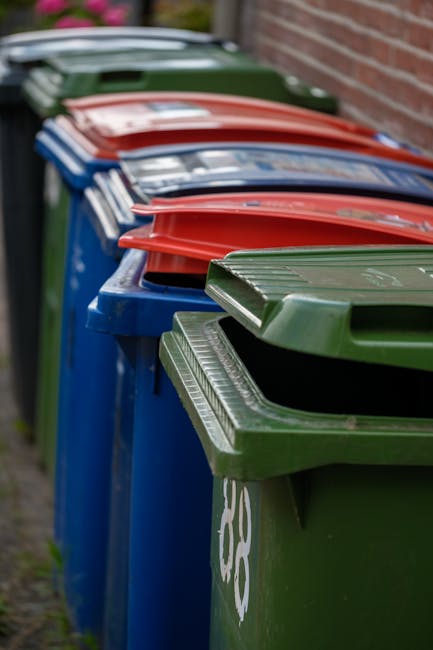
Hackbridge station bulky rubbish collection case study
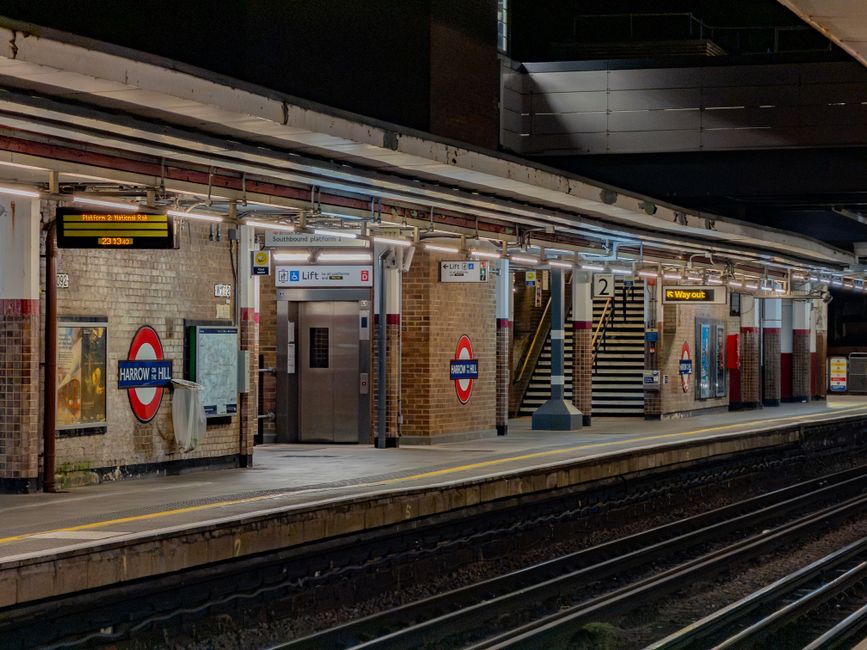
If you have ever tried to clear bulky rubbish near a busy station, you will know it is rarely as simple as loading a van and driving off. Pavements are narrow, foot traffic keeps moving, and everyone seems to be in a hurry. This Hackbridge station bulky rubbish collection case study looks at how a practical, well-planned clearance can reduce disruption, stay organised, and keep waste moving in the right direction.
Whether the job involves household furniture, old fittings, mixed junk, or awkward items that are too large for a quick DIY trip, the key is not just removal. It is choosing the right method, understanding access, and making sure the waste is handled responsibly. If you are weighing up options, services such as rubbish removal, wait and load skip hire, or even man and van can each make sense depending on the site conditions. And yes, at a station location, the site conditions are usually the whole story.
This article breaks the process down in plain English: why the job matters, how it typically works, what to avoid, and which collection method tends to suit different bulky waste scenarios. No fluff. Just the kind of guidance that helps you make a sensible call.
- Why the job matters at a station location
- How the collection process works
- Key benefits and practical advantages
- Who this is for and when it makes sense
- Step-by-step guidance
- Expert tips for better results
- Common mistakes to avoid
- Tools, resources and recommendations
- Law, compliance, standards and best practice
- Options and comparison table
- Case study or real-world example
- Practical checklist
- Conclusion
- Frequently asked questions
Why Hackbridge station bulky rubbish collection case study Matters
Station-adjacent waste jobs are a different beast. There is usually less room to stage items, less room for loading, and more sensitivity around timing. A bulky rubbish collection near Hackbridge station can affect commuters, neighbours, shopfronts, and access routes in a way that a normal domestic clearance simply does not.
That is why this kind of case study matters. It shows the thinking behind the job, not just the final load leaving site. In practice, the big questions are simple: How do you keep the area safe? How do you avoid blocking access? How do you remove heavy waste without turning the pavement into a bottleneck? Those questions guide the whole plan.
It also matters because bulky waste is often underestimated. A sofa looks harmless until it has to be moved through a tight doorway, down steps, and around parked vehicles. A broken wardrobe sounds light enough until you find it has splintered, sharp edges and awkward dimensions. A station setting makes those little complications matter more. Quite a bit more, to be fair.
For many jobs like this, the choice between skip hire and direct collection comes down to access and dwell time. If there is nowhere sensible to place a skip, or if the road layout makes a standard placement awkward, a more flexible approach such as grab hire services or a quick wait and load skip hire arrangement can be more realistic.
Key takeaway: bulky waste collection near a station is about logistics as much as disposal. The cleaner the plan, the less disruption on the day.
How Hackbridge station bulky rubbish collection case study Works
A good bulky rubbish collection usually starts before anyone arrives on site. The first stage is assessing what needs removing, how much there is, and whether the items are straightforward domestic waste or something more mixed. That assessment helps decide the vehicle, crew size, and disposal route.
From there, the process usually moves through a few familiar steps:
- Initial review: identify the waste type, access route, likely hazards, and loading point.
- Method selection: choose between skip hire, wait and load, man and van, or a more specialised service.
- Timing plan: avoid peak footfall where possible and keep loading windows tight.
- Collection and loading: move items safely, separate reusable or recyclable material where practical, and keep the route clear.
- Transport and disposal: take waste to the correct facility and handle any special items separately.
On a station-side job, the practical details matter. For example, if there is no comfortable place to leave a skip overnight, a same-day solution may be better. If access is tight but the load is bulky rather than heavy in soil or rubble, a van-based clearance can be the neatest answer. If the waste is mixed and there is a hard surface access point, same day skip hire may keep the work moving without drawing the job out for days.
The other thing people often forget is sorting. Not everything should go into the same pile. Furniture, appliances, cardboard, green waste, plasterboard, and anything suspect should be separated where possible. If you want a quick guide on acceptable materials, what can go in a skip is a useful reference point for planning, even when the actual solution is collection rather than a skip on site.
Key Benefits and Practical Advantages
The main benefit of a structured bulky rubbish collection is control. When the job is managed properly, you know what is being removed, when it is leaving, and roughly how much disruption the process will cause. That sounds basic. It is. But on a busy local street, basic control is gold.
Other advantages are easy to see:
- Less disruption: a focused collection can reduce time spent blocking access or creating clutter.
- Better safety: fewer loose items on the pavement means fewer trip hazards and less lifting risk.
- Cleaner presentation: a tidy front-of-property clearance makes a good impression on passers-by and neighbours.
- More suitable for awkward access: some sites simply do not suit a traditional skip.
- Faster decision-making: the right method avoids stop-start delays.
There is also a quiet but important benefit: peace of mind. When bulky rubbish is left too long, it starts to feel like the job is taking over. Boxes stack up. Chairs lean in the hallway. The garage becomes, well, a shrine to unfinished weekends. A proper collection puts a line under it.
If the waste stream includes large domestic items such as a bed frame, sofa, fridge, or old appliance, specialist handling may be more efficient than trying to piece the job together yourself. Services like mattress and sofa disposal and fridge and appliance removal can keep those items moving separately, which is often the tidy way to do it.
Who This Is For and When It Makes Sense
This sort of bulky waste collection is relevant to a broad mix of people. Homeowners might need it after a move, a clear-out, or a redecorating project. Landlords may need it between tenancies. Small businesses sometimes face the same headache after refits or stockroom clear-outs. And station-side properties, in particular, often need a plan that respects limited space and traffic flow.
It makes sense when:
- you have several large items rather than a single bin bag's worth of waste;
- the items will not fit in a car or standard vehicle;
- you need removal within a tight timescale;
- access is awkward enough that leaving a container on the road is impractical;
- you want the waste handled with less back-and-forth.
It is also a strong option if you are comparing methods and you are not sure whether a skip is actually the best fit. Sometimes the honest answer is that a skip is fine, but sometimes the cleaner answer is a collection-only service. If the job is domestic in nature, domestic skip hire can still be useful, but only if the location and timing support it. No need to force the wrong solution just because it is the one people think of first.
For bigger clearances involving a full property or outbuilding, you might also look at house clearance or garage and loft clearance. They suit slightly different scenarios, but the logic is the same: remove the hassle, keep it organised, and avoid unnecessary trips.
Step-by-Step Guidance
If you are planning a bulky rubbish collection near Hackbridge station, a simple process keeps things sane. Not glamorous, just sane. And sometimes that is enough.
1. List every item that needs to go
Start with a full item list. Include bulky furniture, broken equipment, packaging, old fittings, and anything that might need special handling. If you are only half sure an item is going, write it down anyway. That avoids the classic last-minute, "oh, and there's one more thing in the shed" moment.
2. Measure access, not just waste
Check gate widths, stair turns, parking restrictions, and the loading point. A bulky item can be removed in five minutes if it fits cleanly, or it can become a small saga if it has to be dismantled. Access is often the real variable, not volume.
3. Separate waste types early
Keep furniture, metal, electrical items, and mixed waste apart where possible. This helps with recycling, speeds up loading, and reduces the risk of contamination. If the job includes confidential paperwork, that needs a different treatment again, which is where confidential shredding becomes relevant.
4. Decide on the removal method
Choose the approach that matches the site. Tight access? Consider man and van. Heavy mixed waste with clear loading space? Maybe grab lorry hire. Need waste removed quickly without keeping a container on site? wait and load skip hire may be the better fit.
5. Confirm timing and lifting plan
Set the loading window and make sure the route is clear. If the collection needs to happen at a quieter time of day, build that in from the start. It sounds obvious, but in live traffic situations it is easy to underestimate how quickly time disappears.
6. Keep the site tidy during removal
As items come out, sweep up loose debris and remove small fragments. That final tidy-up matters. A job can be technically complete but still feel messy if screws, foam, and packaging are left behind.
7. Check disposal and recycling outcomes
Ask what happens to the collected waste. A good operator should be able to explain how items are sorted and where recyclable materials are directed. If sustainability matters to you, it should, then recycling and sustainability is worth reviewing before you book.
Expert Tips for Better Results
Here are a few small things that make a surprisingly big difference.
- Photograph the waste before booking. It gives a clearer picture than a rushed description over the phone.
- Bundle similar items together. Chairs with chairs, cardboard with cardboard, metal with metal. Simple, but effective.
- Keep the collection route clear. A door propped open with a dustpan and a prayer is not a plan.
- Think about weather. Rain makes cardboard heavier, floors slippier, and the whole job just a bit less pleasant.
- Flag awkward items early. Large mirrors, broken glass, and old appliances can change the handling plan.
One thing I always tell people: do not wait until the waste is piled to the ceiling before you ask for help. That is when access gets worse, the pressure rises, and the task starts feeling bigger than it is. Start while there is still breathing room. You will notice the difference straight away.
And if the job sits alongside light commercial clearance, it may be worth looking at office clearance or commercial skip hire as part of the wider decision-making process. Same principle, different setting.
Common Mistakes to Avoid
Most bulky rubbish problems do not come from the waste itself. They come from rushed planning. A few common mistakes show up again and again.
- Choosing a method before checking access. This is the big one. If a skip or lorry cannot practically get in, the plan collapses quickly.
- Mixing unsuitable items together. Some materials need separate handling and should not be bundled into one load.
- Underestimating volume. A half-empty room can still produce a very full waste load once you start lifting.
- Leaving the clearance until the last minute. Then everything becomes rushed, and rushed jobs make mistakes.
- Ignoring permit or placement questions. If a container needs to sit on the public highway, that can change the whole approach.
Avoiding these issues is mostly a matter of slowing down for five minutes at the start. Not forever. Just five minutes. That small pause can save a lot of hassle later.
If road placement is under consideration, check skip hire permits and skip permits before you settle on a roadside option. The exact choice depends on the setup, but permit awareness is always smart.
Tools, Resources and Recommendations
You do not need fancy kit for every bulky collection, but you do need a few practical tools and a sensible plan. A tape measure, gloves, sturdy sacks, basic labels, and a phone camera can go a long way. For some jobs, a dolly, sack truck, or dismantling tools may also help.
From a planning point of view, these resources are especially useful:
- Waste identification notes: keep a rough list of materials so you can decide what needs special handling.
- Measurement check: note door widths, stair turns, and loading clearance.
- Collection options guide: compare skip sizes and prices if you think a container may still be the right route.
- Booking support: use book online when you already know the waste type and want a quick next step.
- Pricing clarity: review pricing and quotes so expectations are clear before the job starts.
If the job includes soft furnishings, appliances, or a mix of domestic items, it can also help to compare rubbish removal with man and van. They overlap a little, but not completely. One is not automatically better than the other. It depends on how awkward the waste is and how quickly you need it gone.
For larger or more manual access challenges, grab hire services are often worth considering. They are especially handy where loose bulky waste, mixed debris, or medium-heavy loads need collecting from a hardstanding or reachable edge.
Law, Compliance, Standards, or Best Practice
Any waste collection should be handled responsibly, and that starts with basic duty of care. In plain English, that means the waste should be taken to an appropriate facility, not dumped somewhere inconvenient for somebody else to deal with. UK practice also expects waste to be managed safely, transported correctly, and handled by a legitimate operator.
For a bulky rubbish collection near a station, best practice usually includes:
- keeping the footway and access route as clear as possible;
- avoiding unsafe lifting or dragging of heavy items;
- separating potentially hazardous or electrical items where needed;
- checking whether containers need a permit if they are placed on the highway;
- using suitable vehicles and loading methods for the site conditions.
Where the waste includes electricals, refrigeration units, or anything that may be classed as problematic, extra care is sensible. Not every item can just be treated the same way, and that is exactly why services such as hazardous waste disposal and fridge and appliance removal exist in the first place. Truth be told, it is better to pause and check than to assume.
It is also worth reviewing provider policies around health and safety, insurance and safety, and payment and security. Those pages do not just exist for show; they help you judge whether the operator takes the work seriously.
If you are comparing companies, an about us page can also give you a feel for how the business works and whether it seems organised enough for this sort of site-sensitive job. A small detail, yes, but small details often tell you quite a lot.
Options, Methods, or Comparison Table
Different waste situations call for different approaches. There is no single winner for every Hackbridge station bulky waste job, which is why comparing options properly matters.
| Method | Best for | Strengths | Limitations |
|---|---|---|---|
| Rubbish removal | General bulky domestic or mixed waste | Flexible, quick, low hassle | May not suit very large volumes |
| Wait and load skip hire | Short-stay clearances with limited space | No container left behind, good for tight access | Requires organised loading on the day |
| Grab hire services | Loose waste, mixed rubble, accessible loads | Fast loading, good reach, less manual carrying | Needs suitable access and clear collection point |
| Skip hire | Projects with steady waste generation | Useful for ongoing clear-outs and mixed waste | May need permits or space for placement |
| Man and van | Smaller bulky loads, furniture, ad hoc clear-outs | Simple and adaptable | Less efficient for large or heavy mixed waste |
For station-based jobs, wait and load is often the most practical if there is no safe place to keep a skip. If the waste is already staged and the access is manageable, man and van can be surprisingly efficient. And if you are dealing with mixed site waste, builders waste removal or construction waste clearance may be the better fit. Different tool, different job.
Just remember: the cheapest-looking option on paper is not always the easiest on the ground.
Case Study or Real-World Example
Here is a realistic example based on the kind of work that tends to come up around busy station areas. A property holder near Hackbridge station needs to clear bulky rubbish from a front room and side passage before decorating. The waste includes a sofa, a broken wardrobe, an old mattress, mixed cardboard, and a few smaller household items. Nothing exotic. But the access is narrow, pedestrians pass close by, and there is no sensible place to leave a container.
At first glance, a skip seems like the obvious answer. But once the access route is measured and the street layout is considered, it becomes clear that a roadside container would introduce more friction than it solves. So the plan shifts to a collection-led approach: waste is grouped by item type, fragile pieces are wrapped or dismantled, and the loading window is kept short. That means fewer handoffs, less time on the pavement, and a cleaner finish.
The practical lesson is simple. The best method is the one that matches the site. Not the one that sounds most familiar. In this case, a combination of rubbish removal and careful item sorting makes the job straightforward. If there had been more volume and enough hardstanding, a grab lorry would have been worth a look. If the waste was spread across a longer project, skip hire may have won out.
That is really the heart of this case study. The outcome was not just "waste removed." It was waste removed with less fuss, fewer delays, and no need to turn a busy access point into a cluttered temporary storage area. Sometimes the quiet solution is the clever one.
Practical Checklist
Use this checklist before arranging a bulky rubbish collection near a station.
- List every item that needs removing.
- Measure access points, steps, and any tight turns.
- Check whether the waste includes electrical, fragile, or specialist items.
- Decide whether you need skip hire, wait and load, van collection, or grab hire.
- Confirm whether anything may need a permit if placed on the highway.
- Stage items so they are easy to lift and separate.
- Keep the loading area clear of pedestrians and obstacles.
- Ask how the waste will be sorted or recycled.
- Review pricing and the booking process before confirming.
- Have a final sweep-up plan for loose debris and packaging.
If you tick those boxes, the job usually feels much more manageable. Not perfect. Just manageable. And that is often the difference between a decent day and a proper headache.
Get a free quote today and see how much you can save.
Conclusion
A Hackbridge station bulky rubbish collection needs more than brute force. It needs timing, access awareness, sensible waste separation, and the right removal method for the space available. When those pieces come together, the whole job becomes cleaner, safer, and far less disruptive.
If you are planning your own clearance, the smartest next step is to match the waste type to the method, then confirm access before you book. That simple order of operations saves a lot of stress. And honestly, it is often the difference between a smooth collection and a messy, half-finished one that drags on for days.
Take your time with the plan, keep it practical, and do not be afraid to choose the simpler route if it fits the site better. A well-handled clearance has a way of making the whole place feel lighter. Little by little, that matters.
Frequently Asked Questions
What is a bulky rubbish collection near Hackbridge station?
It is a waste removal job involving large or awkward items collected from a site near the station area, where access, timing, and foot traffic need extra care.
Is skip hire always the best option for bulky waste?
No. A skip can be useful, but in tight or high-footfall areas, a collection-only service, wait and load arrangement, or grab hire may work better.
What kind of items count as bulky rubbish?
Typical bulky rubbish includes sofas, beds, wardrobes, appliances, tables, broken furniture, and mixed household clutter that is too large for normal bins.
How do I know whether I need a permit?
If a skip or container needs to sit on public land or the highway, permit rules may apply. It is best to check before booking rather than assuming.
Can bulky items be removed on the same day?
Often, yes, if the site is accessible and the job is straightforward. Same-day collection is especially useful when you want the area cleared quickly.
What is the difference between rubbish removal and man and van?
They overlap, but rubbish removal is usually broader, while man and van often suits smaller, more flexible loads. The best choice depends on volume and access.
What happens to the waste after collection?
It should be taken to the correct facility and sorted appropriately. Recyclable materials may be separated where possible, depending on the waste mix.
Can I mix furniture and appliances in one load?
Sometimes, but it depends on the collection method and the type of appliance. Fridges, for example, often need separate handling from general furniture.
How can I prepare for a bulky rubbish collection?
Measure access, list the items, separate waste types, and clear the loading route. A little prep goes a long way, especially in tight spaces.
Is bulky waste collection suitable for landlords and businesses?
Yes. It can work well for end-of-tenancy clearances, office changes, stockroom clean-outs, and mixed site waste where speed matters.
What if I have hazardous or confidential items mixed in?
Those items should be separated and handled appropriately. Confidential papers may need shredding, and hazardous waste should never be treated like ordinary rubbish.
Where can I check prices or book a collection?
You can review pricing and quotes and then use book online when you are ready to move ahead.