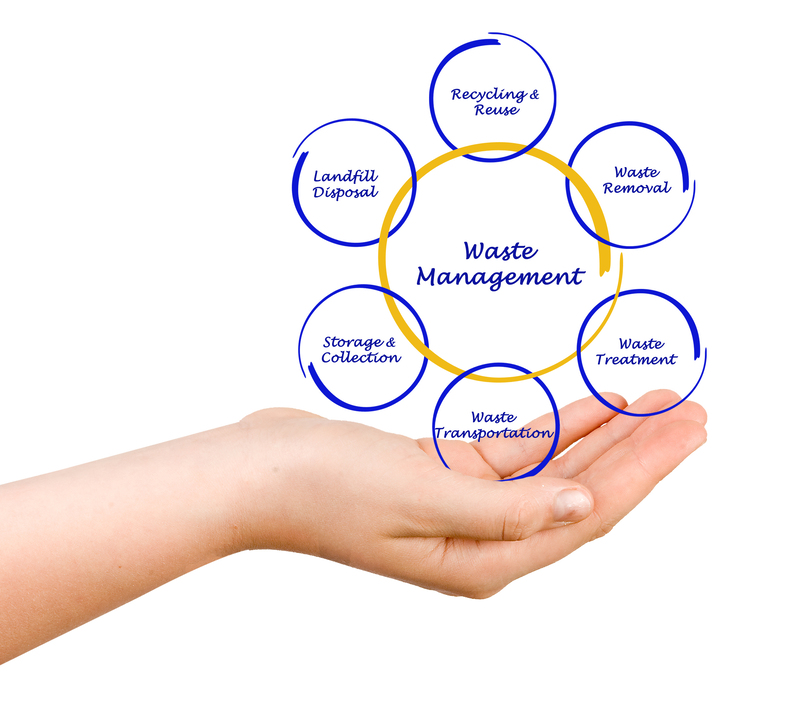
Next-Level Recycling: Disposing of Packaging and Cardboard Sustainably
Next-Level Recycling: Disposing of Packaging and Cardboard Sustainably
If you handle boxes, bubble wrap, or a mountain of corrugated offcuts every week, this guide is for you. Truth be told, packaging can feel relentless -- the tape rips, the paper dust hangs in the air, and by midday the cardboard stack is taller than the tea kettle. But there's a brighter path. This is your expert, practical, and human guide to Next-Level Recycling: Disposing of Packaging and Cardboard Sustainably -- the kind that cuts costs, cleans up your space, and actually makes a dent in your environmental footprint.
We'll walk through how to set up a frictionless system, what the UK rules mean in plain English, and how to design processes that staff actually follow. We'll also show you, step by step, how even small tweaks (flattening, segregating, baling) can turn the mess into predictable value. It's not just recycling. It's operational calm. Clean, clear, calm. That's the goal.
Table of Contents
- Why This Topic Matters
- Key Benefits
- Step-by-Step Guidance
- Expert Tips
- Common Mistakes to Avoid
- Case Study or Real-World Example
- Tools, Resources & Recommendations
- Law, Compliance or Industry Standards (UK-focused)
- Checklist
- Conclusion with CTA
- FAQ
Why This Topic Matters
Packaging waste is a feature of modern life -- especially with e-commerce humming and next-day deliveries landing before lunch. Cardboard and paper packaging remain the dominant material in UK recycling streams, with recovery rates often reported above 70-80% in Europe. Yet significant fibre still ends up in general waste, contaminated by food, tape, or rainwater. That's lost value and avoidable carbon.
Why push for next-level recycling? Because smarter disposal of packaging and cardboard reduces emissions, cuts costs, and creates reliable feedstock for new boxes, mailers, and paper products. In the UK, evolving regulations -- from Extended Producer Responsibility (EPR) for packaging to clearer consistency in collections -- mean businesses and households alike are under growing pressure to segregate better and report accurately. Do it well, and you protect your brand, comply with the law, and keep auditors happy. Do it poorly, and costs creep, bins overflow, and compliance gets... awkward.
A quick human moment: we helped a small warehouse in North London on a rainy Tuesday. You could almost smell the cardboard dust in the air. Pallets were cluttering the fire exit. Staff were doing their best, but the system wasn't. Two weeks later, with just a few changes, the site was safer, tidier, and the waste bill was down. That's the practical magic we're going for here.
Key Benefits
Getting serious about Next-Level Recycling: Disposing of Packaging and Cardboard Sustainably pays back fast. Here's how:
- Lower disposal costs: Segregated cardboard (OCC) is usually cheaper to remove than mixed waste. Baled OCC often attracts a rebate.
- Revenue from recyclables: Mill-size bales that meet EN 643 grades can be sold, offsetting collection costs.
- Fewer collections, less clutter: Flattening and baling dramatically reduce volume -- fewer pickups, fewer overflowing bins.
- Compliance and audit readiness: Clean streams support UK Duty of Care and EPR data reporting.
- Brand trust and ESG reporting: Clear recycling performance boosts your sustainability story -- and investors do read those reports.
- Fire safety and housekeeping: Tidy, baled cardboard lowers fire load and keeps escape routes open.
- Staff morale: Clean sites feel better to work in. People notice. Culture shifts.
- Circular economy impact: High-quality fibre becomes tomorrow's packaging. Less virgin pulp, less pressure on forests.
To be fair, not every benefit shows up in month one. But when the bins stop spilling and the forklift lanes stay clear, you'll feel it.
Step-by-Step Guidance
Below is a practical roadmap to elevate your recycling -- at home, in the office, or in a busy distribution centre. Keep it simple, then optimise.
1) Audit your packaging flows
- Measure the volume: Count the number of cardboard boxes received daily/weekly. Estimate weight using pallet scales or supplier specs.
- Identify materials: Corrugated cardboard (OCC), boxboard, mixed paper, bubble-lined mailers, plastic film, polystyrene, paper tape, labels, and stretch wrap.
- Map sources and contamination risks: Goods-in, pick/pack, returns, canteen areas, front-of-house. Note where food or liquids might touch cardboard.
Micro moment: one supervisor told us, 'We weren't expecting it, but 30% of our boxes were coming from returns, not new deliveries.' Different streams, different fixes.
2) Design the right segregation
- Primary streams: Cardboard & paper, plastics (film and rigid separated where possible), and general waste.
- Secondary streams (optional): Beverage cartons, paper cups, metal, wood, EPS, compostables (only if you have a proper route).
- Bin colour coding: Follow WRAP-style colours where possible to help staff recognise streams at a glance.
- Simple signage: Photos of acceptable items; an example box taped to each bin station helps more than a paragraph ever will.
3) Prepare cardboard properly
- Flatten everything: Break boxes at the seams. A safety knife with a guarded blade pays for itself quickly.
- Remove contamination: Shake out polystyrene crumbs; peel off large plastic pouches. Small bits of tape are usually acceptable.
- Keep it dry: Moisture ruins quality and adds weight. Store under cover and off the floor on pallets -- even an inch matters.
Ever tried clearing a room and found yourself keeping everything? It's like that with boxes -- without rules, they multiply.
4) Choose the right containers and equipment
- Households: Use your council's kerbside cardboard collection. If rainy, wait until the morning to place outside so it stays dry.
- Small offices/shops: Wheelie bins (240-1100L) for OCC; keep lids closed; consider a small baler if volume is consistent.
- Warehouses: Feed stations with cage tippers; walk-in balers or mill-size balers (440-500kg bales) if volume justifies it.
- Events/pop-ups: Collapsible stillages or stackable totes for clean streams; plan a mid-event pick-up.
For bubble wrap and plastic film, a dedicated, clearly labelled bag or cage helps prevent them sneaking into cardboard bales -- a common cause of rejected loads.
5) Set a collection rhythm
- Right-size your pickups: Under-collect and you'll drown in boxes; over-collect and you'll overpay. Start weekly, then adjust by data.
- Arrange stacked storage: Palletise flattened cardboard. Keep 1m clearance from heaters, machinery, and emergency exits.
- Use a simple run-sheet: Daily tasks: flatten, bale, strap, label. Sounds basic, works wonders.
6) Train your team (and refresh)
- Induction basics: What goes where, how to flatten safely, and who to ask if unsure.
- Station champions: Assign a named person to each recycling station. Ownership changes behaviour.
- Quarterly refreshers: New hires arrive, habits drift. A 10-minute refresher beats a 10-page policy.
7) Track and optimise
- Measure weights: Bales labelled with date, weight, and grade (e.g., EN 643 1.05 OCC). A cheap digital pallet scale is enough.
- Set targets: Recycling rate, contamination incidents, missed collections, bale moisture below 10%.
- Close the loop: Share monthly results with the team. Celebrate improvements -- a simple 'well done' goes far.
What to do with the tricky stuff
- Greasy pizza boxes: If visibly oily or food-soiled, compost the base (if available) and recycle the clean lid. Otherwise, general waste.
- Wet cardboard: Let it dry if lightly damp; heavily wet material can mold and should not enter bales.
- Waxed or heavily laminated card: Usually not recyclable with OCC; keep separate and check processor guidance.
- Beverage cartons (e.g., Tetra Pak): Recycle via dedicated carton streams where available; some councils accept at kerbside.
- Bubble-lined mailers: Separate the inner plastic from the outer paper where possible; otherwise, treat as composite material.
- Paper cups: Not standard with cardboard due to plastic lining; use specialist cup schemes where provided.
- Confidential labels: Remove or deface address labels containing personal data before recycling. Simple, sensible GDPR hygiene.
Expert Tips
These are the little tweaks that move you from 'recycling' to next-level recycling -- the kind auditors love and hauliers praise.
- Spec to a standard: Use BS EN 643 paper and board grades for bales; grade 1.05 (OCC) is typical. It earns trust and better pricing.
- Keep moisture low: Rain adds weight, reduces fibre quality, and can void rebates. Store under cover, off the floor, and avoid mopping near stacks.
- Reduce plastic tape: Swap to paper tape where feasible. Less contamination, nicer bales.
- Don't over-bale: Follow baler manufacturer's guidance; over-compression can break straps or damage equipment. Safety first.
- Right tools, visible: Fit a safety knife on a retractable belt clip. One per station, not one per building.
- Set up a 'quarantine' box: For borderline items. A supervisor can decide without holding up the line.
- Label bales clearly: Date, grade, weight, site initials. Reprocessors take you more seriously when the details are right.
- Walk the line weekly: A five-minute Friday walk-through catches 90% of drift. It's the simplest control in the book.
Yeah, we've all been there -- a perfect plan undone by a missing knife or a soggy pallet. These tips are the duct tape that keeps the system together.
Common Mistakes to Avoid
Even well-meaning teams slip up. Here are the recurring gremlins that quietly sink recycling performance.
- Leaving cardboard outside: Do not store on the yard without waterproof cover. One shower, and your rebate is gone.
- Mixing paper grades: Throwing shredded office paper into OCC bales increases contamination; keep it separate.
- Assuming coffee cups are 'paper': Most contain plastic liners; they need specialist routes.
- Over-reliance on one bin station: Staff won't walk 50 metres mid-shift. Place stations where the waste arises.
- Ignoring fire risk: Large stacks near heat sources or blocking exits -- just no. Maintain clearances and tidy aisles.
- Neglecting training refreshers: Turnover happens. A 10-minute brief prevents months of contamination.
- Not checking contracts: Collection specs drift; make sure your haulier's accepted materials list matches your reality.
- Chasing the cheapest deal only: A low per-lift price can hide missed service, rejected loads, or pricey contamination fees.
If you fix just the first two -- dryness and correct grading -- your results jump, visibly. You'll see why.
Case Study or Real-World Example
Site: Mid-size e-commerce warehouse, Park Royal, West London
Challenge: General waste overspend, cluttered goods-in area, rejected recycling loads due to contamination and wet cardboard. Staff were frustrated; managers were fielding complaints. It was raining hard outside that day -- and yes, the cardboard was stored outside.
Actions taken:
- Installed a mill-size baler with safety training (operators certified; daily checks recorded).
- Moved storage under cover; pallets raised on dunnage; moisture target < 10%.
- Introduced colour-coded stations at goods-in and pack benches; paper tape trial on 3 key SKUs.
- Signed a clear OCC acceptance spec aligned to EN 643 1.05; bale labels with date/weight/grade.
- Set collection rhythm to weekly OCC bales, fortnightly mixed recycling, and reduced general waste lifts by 40%.
- Refresher toolbox talks monthly; a 'quarantine' tub for odd items (bubble mailers, waxed card).
Outcomes (12 weeks):
- Waste costs down 37% versus baseline (reduction in general waste + OCC rebates).
- Average bale weight 470 kg; rejection rate 0% after month one.
- Goods-in time saved ~12 minutes per pallet through standard flattening routine.
- Staff feedback improved: 'Feels calmer, easier to move. Less cardboard dust in the air.'
One small human moment: the first time they strapped a perfect bale, everyone clapped. It's the little wins that set the tone.
Tools, Resources & Recommendations
Good systems rely on good tools. Here's a balanced kit list with UK flavour.
- Balers: Mini, mid, or mill-size depending on volume. Look for auto-tie if output is high. Ensure operator training and written SOPs.
- Compactors: Useful for mixed residual waste once recyclables are stripped out. Don't compact recyclables you can bale.
- Moisture meter: Quick checks prevent wet loads. Simple pin meters are affordable.
- Digital pallet scales: Verify bale weights; support accurate reporting and rebates.
- Safety knives and PPE: Guarded blades, cut-resistant gloves, and safety glasses for frequent cutting tasks.
- Signage pack: Photo-led, multilingual where needed. Laminate to survive the warehouse life.
- Data tracking: A simple spreadsheet or app to log bales, weights, contamination incidents, and collections.
- Standards & guidance: BS EN 643 (paper grades), Waste Duty of Care Code of Practice, WRAP guidance on collections.
- Supplier engagement: Ask suppliers to optimise case sizes, reduce void fill, and switch to recyclable packaging components (e.g., paper tape).
Recommendation hierarchy: start with behaviour + layout, then add equipment, then refine with data. In that order. It sticks.
Law, Compliance or Industry Standards (UK-focused if applicable)
UK recycling has its legal backbone. Here's the short, readable version you can act on today.
- Waste Hierarchy: Embedded in the Waste (England and Wales) Regulations 2011. Prioritise prevention and reuse, then recycling, then recovery, then disposal.
- Duty of Care (s34, Environmental Protection Act 1990): Businesses must store, transport, and describe waste safely and legally. Use Waste Transfer Notes (now often digital), include SIC code, EWC/LoW codes (e.g., 15 01 01 for paper/cardboard packaging; 20 01 01 for paper/cardboard from households).
- Waste Duty of Care Code of Practice (Defra/EA): Keep waste secure, describe it accurately, and only pass to licensed carriers. Check your contractor's waste carrier registration.
- Environment Act 2021 and EPR for Packaging: Phasing in new reporting and cost responsibilities for producers. Accurate data on packaging placed on the market and waste outcomes matters. Small vs large producer thresholds apply -- know your category.
- Consistency in collections ('Simpler Recycling'): Reforms aim to standardise what is collected across councils in England. Businesses will also face clearer separation expectations for core dry recyclables.
- BS EN 643 (Paper & Board for Recycling): The European list of standard grades. Use it to specify bale quality and reduce disputes.
- Health & Safety (HSE): Balers/compactors are work equipment under PUWER 1998; ensure training, guarding, lock-out procedures, and clear SOPs. Follow WISH guidance on reducing fire risk at waste management sites; keep segregated, tidy storage.
- Fire Prevention: Keep cardboard away from ignition sources; store under cover; maintain tidy stacks and 1m clearance. For permitted sites, Fire Prevention Plans may be required.
- Data protection: If packaging includes addresses or returns labels, handle in line with GDPR; remove or deface before recycling.
Regulations evolve. Keep one eye on Defra and your national environment regulator (EA, SEPA, NRW, DAERA). A quick annual check avoids surprises.
Checklist
Print this, stick it by the goods-in door, and breathe easier.
- We flatten all boxes at source -- no exceptions.
- Cardboard is kept dry, off the floor, and under cover.
- Paper tape preferred; large plastic pouches removed from OCC.
- Stations are colour-coded and within 10-15 metres of where waste arises.
- We bale to EN 643 1.05 where volume allows; bales labelled with date/weight/grade.
- Moisture spot-checks weekly; target < 10%.
- Collections set to actual volume; we review monthly and adjust.
- Operators trained on balers/compactors; SOPs displayed; daily checks logged.
- Waste Transfer Notes and carrier licences are in file (digital is fine).
- We track recycling metrics and share wins with the team.
If most of these are a 'yes', you're already doing Next-Level Recycling: Disposing of Packaging and Cardboard Sustainably the right way.
Conclusion with CTA
Next-level recycling isn't about perfection. It's about the next right improvement: a covered pallet here, a labelled bale there, a simple station where your team actually needs it. Over a few weeks, the space quietens down. Less clutter, fewer missed lifts, fewer headaches. And -- to be fair -- it feels good to do the right thing well.
Whether you're running a bustling London warehouse or just trying to keep the family hallway free of boxes, the same principles apply: segregate, keep it dry, make it simple, and measure what matters. Do that and you'll save money, reduce carbon, and earn back a little daily calm.
Get a free quote today and see how much you can save.
One last note, human to human: small steps add up. You've got this.
FAQ
Can greasy pizza boxes be recycled with cardboard?
If the box is noticeably greasy or has food stuck on, it can contaminate the paper fibres. Recycle the clean lid if possible and put the oily base in general waste or food/compost where accepted. Light staining is usually fine; heavy grease is not.
Do I need to remove all tape and labels from boxes?
No. Small amounts of tape and labels are acceptable for most OCC collections. Remove large plastic pouches, magnetic strips, and thick vinyl decals. Switching to paper tape makes life simpler and bales cleaner.
What should I do with wet cardboard?
Let lightly damp material dry before recycling. Heavily soaked or moldy cardboard downgrades the bale and can be rejected. Keep storage under cover and off the floor to prevent the problem in the first place.
Are paper coffee cups recyclable with cardboard?
Not in standard cardboard streams. Most cups have a plastic lining and need a specialist route. Some councils or schemes accept them separately -- check local guidance before mixing with OCC.
How do bale rebates work for cardboard?
Rebates are paid per tonne for clean, dry OCC that meets a recognised grade (e.g., EN 643 1.05). Rates vary with market demand. Heavier, well-strapped, clearly labelled bales with low contamination earn better acceptance and pricing.
What EWC/LoW codes should I use for cardboard waste?
Packaging paper/cardboard is typically 15 01 01. For household-like segregated paper/cardboard, 20 01 01 may apply. Always describe waste accurately on Waste Transfer Notes and keep records for two years.
How will UK EPR for packaging affect small businesses?
Extended Producer Responsibility shifts more costs to those placing packaging on the market. Thresholds determine whether you're a small or large producer, which affects reporting duties and fees. Keep accurate packaging data and watch Defra updates.
Where should I store cardboard safely on site?
Indoors or under cover, on pallets or dunnage, with at least 1m clearance from heaters, electrics, and exits. Keep stacks stable and aisles clear. Avoid outdoor storage unless fully weatherproofed.
Can bubble-lined envelopes be recycled?
Only if you can separate the paper and plastic cleanly. Most are composite and not accepted with OCC. Consider switching to paper-padded mailers or fully recyclable alternatives.
Is shredded cardboard useful for compost or packaging?
Yes. Clean, uncoated cardboard shreds make excellent brown material for compost (carbon source) and protective void fill for shipping. Avoid glossy, heavily inked, or plastic-coated pieces.
How do I track my recycling rate effectively?
Record weights for each stream (cardboard, plastics, general waste). A simple formula: recycling rate = total recyclables ? total waste (all streams) x 100. Monthly trend lines help you spot real progress.
What happens to my recycled cardboard?
It's sorted, pulped, cleaned, and rolled into new paper. Those rolls become new boxes, sleeves, and packaging -- often within weeks. High-quality input becomes high-quality output. Circular, simple.
Is it worth getting a baler for a small site?
If you produce consistent volumes (say, several 1100L bins of cardboard weekly), a small or mid-size baler can cut lifts, free space, and unlock rebates. Always factor in training, safety, and maintenance.
Can I put cardboard in garden waste?
Most councils don't allow it in garden waste bins. Use the dry recycling scheme for cardboard. If composting at home, only use plain, non-glossy card in small amounts.
How do I recycle beverage cartons (e.g., Tetra Pak) in the UK?
Many councils now collect cartons, but coverage varies. If kerbside isn't available, look for local carton banks. Cartons are processed separately from cardboard due to their mixed material layers.
Do returns labels raise data protection concerns?
Yes, if they contain personal data. Remove or black out names, addresses, and barcodes before recycling. It's a light-lift GDPR precaution and good practice.
What's the single biggest improvement I can make this month?
Keep cardboard dry and flatten at source. It sounds simple -- because it is -- and it immediately boosts quality, lowers volume, and reduces cost.
Any quick win for staff engagement?
Run a two-week challenge: measure bales, celebrate the highest-quality bale (lowest contamination, best strapping), and buy the team a Friday treat. Small, fun, effective.
This article aims to be your trusted companion -- practical, UK-savvy, and kind to real-world constraints. If you adopt even a handful of the ideas here, you'll feel the difference in your day-to-day. Promise.