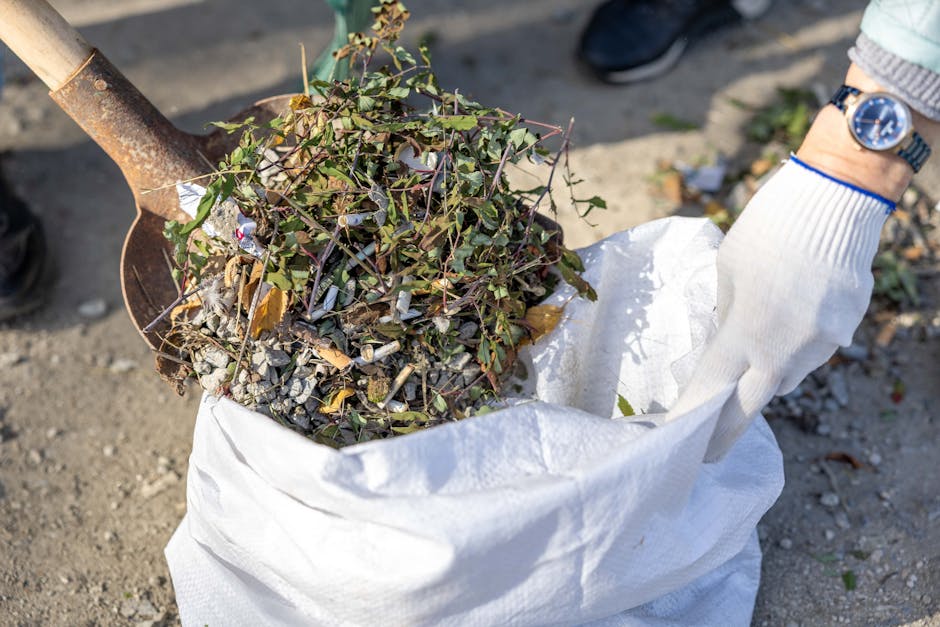
Wandle Meadow Nature Park garden clearance rubbish removal: a practical local guide
If you are dealing with a bulky pile of hedge cuttings, broken pots, soil sacks, old fencing, or the odd surprise that always turns up once a garden is cleared properly, Wandle Meadow Nature Park garden clearance rubbish removal can feel more involved than it first looks. In a green, well-used local space like this, the job is not just about making waste disappear. It is about keeping paths tidy, avoiding unnecessary mess, protecting nearby planting, and handling the uplift in a way that makes sense for the site and for the people using it.
Truth be told, garden waste jobs are often simpler in theory than in practice. A few bags of clippings are easy enough. But once you mix in timber offcuts, bricks, contaminated green waste, broken garden furniture, or awkward access, the plan needs a bit more thought. This guide breaks down how the process works, what options usually suit different clearances, and how to avoid the little mistakes that cause delays, extra cost, or a second round of tidying. If you want a cleaner, faster route, it also helps to understand related services such as garden waste removal, rubbish removal, and, for bigger tidy-ups, site clearance.
- Why it matters
- How it works
- Key benefits and practical advantages
- Who this is for
- Step-by-step guidance
- Expert tips
- Common mistakes to avoid
- Tools, resources and recommendations
- Law, compliance and best practice
- Options and comparison table
- Real-world example
- Practical checklist
- Conclusion
- Frequently asked questions
Why Wandle Meadow Nature Park garden clearance rubbish removal Matters
Garden clearance in and around a nature park setting is not the same as tipping a heap into the back of a car and hoping for the best. The space itself matters. So do the people passing through, the surrounding greenery, and the simple fact that garden waste can become a nuisance very quickly if it is left in piles. Wet clippings start to smell. Loose branches get muddy and awkward. Bags split. And once a job is delayed, it tends to spread out across the whole area like it owns the place.
That is why Wandle Meadow Nature Park garden clearance rubbish removal is really about control. Control of volume, timing, access, and disposal route. When the clearance is planned properly, you reduce disturbance, protect the site edge, and keep the work neat from start to finish. That matters whether you are a homeowner nearby, a landlord, a facilities manager, or someone helping with a larger maintenance job.
There is also a practical side that people sometimes overlook. A tidy clearance can prevent trip hazards, pest issues, blocked drainage, and accidental spread of soil or green waste onto paths. In a public-facing or shared environment, those small details matter a lot. To be fair, nobody notices a perfectly handled clearance. They only notice the one that went a bit sideways.
How Wandle Meadow Nature Park garden clearance rubbish removal Works
The process usually starts with sorting the waste into sensible groups. Green waste is one thing. General rubbish is another. Heavy materials like rubble or soil may need separate handling. If everything gets piled together, it can make collection harder and disposal more expensive. A good first step is simply to walk the area and identify what is actually there, not what you think is there.
In many cases, the job can be handled through a direct collection service, a skip, a wait-and-load arrangement, or a grab-type solution depending on access and volume. If the waste is easy to reach and you want it gone quickly, wait-and-load skip hire can be useful because the vehicle arrives, you load it, and it leaves without a long roadside stay. If access is tighter or the load is mixed and awkward, grab hire services may be a better fit.
The choice often comes down to the site layout. Narrow access? You may need a smaller vehicle or man-and-van collection. Larger volume? A skip may be more sensible. Mixed waste and a need for speed? A grab lorry can save time. And if you are unsure what can be loaded together, it is worth checking what can go in a skip before you start. That little bit of planning can save a lot of head-scratching later.
Here is the basic flow most people follow:
- Assess the waste and separate it into clear categories.
- Check access, parking space, and loading distance.
- Choose the right removal method for the size and type of waste.
- Load safely, keeping heavy items manageable.
- Send the material for sorting, recycling, or responsible disposal.
Simple on paper. Slightly less simple when there are brambles, wet soil, and a wheelbarrow with a grumpy front tyre. But manageable.
Key Benefits and Practical Advantages
The obvious benefit is a cleaner space. Yet that is only the start. Good clearance and rubbish removal can make a site easier to maintain, easier to inspect, and easier to use. If you are dealing with a garden that has been neglected for a while, the difference after a full clear-out can be dramatic. Paths reappear. Edges become visible. Drainage is easier to spot. The whole area feels lighter somehow.
There is also a time-saving benefit. People often underestimate how long repeated trips to the tip take, especially if the waste is mixed and the vehicle is small. One professional collection can replace several awkward journeys. That matters even more if you have limited time, limited parking, or a narrow window for work.
Another practical advantage is safer handling. A trained crew or a well-planned hire option can reduce the risk of strain, cuts, and messy lifting. Heavy bags of soil and broken paving are no joke. They look harmless until you are halfway up a driveway with one arm out of action. Been there, regretted that.
- Cleaner, safer outdoor space
- Less disruption to nearby paths and planting
- Fewer trips and less manual handling
- Better recycling potential for green waste
- Improved presentation for shared or public-facing areas
Where the project includes heavier waste or added debris, it can also be worth looking at construction waste disposal or builders waste removal if the garden work has spilled over into hard landscaping, wall repairs, or patio replacement.
Who This Is For and When It Makes Sense
This kind of service suits a broad mix of people. Homeowners dealing with an overgrown garden. Landlords getting outside areas ready between tenancies. Property managers who need communal spaces cleared without drama. Gardeners and landscapers finishing a bigger seasonal cut-back. Even small businesses with outdoor frontage can benefit from a tidy, responsible uplift.
It also makes sense when the waste is more than a standard bin-load. A few bags of leaves are one thing. A hedge reduction, ivy removal, broken planters, soil spoil, old sleepers, and a pile of mixed debris is another. If the job has crossed from routine gardening into full-on clearance, a proper removal plan is usually the smarter move.
Sometimes the decision is driven by access alone. In a tight street or a spot where parking is awkward, you may want a collection method that limits waiting time and avoids leaving a container out for too long. In that case, a service like man and van can be useful for smaller or more flexible clearances, while a larger mixed load may suit skip hire.
Ask yourself two questions: how much waste is there really, and how quickly do you need the space back? Those two answers usually point you in the right direction.
Step-by-Step Guidance
If you want the process to run smoothly, it helps to break it into stages rather than treating it as one giant job. That way, you do not end up with a half-cleared garden and a pile of bags sitting in the rain at 5pm.
- Walk the site properly. Look for hidden waste under foliage, behind sheds, or along fences. Old timber, broken pots, and compacted soil often show up late.
- Sort materials as you go. Keep green waste separate where possible. Brick, stone, metal, and general rubbish should not all be lumped together unless the chosen service accepts mixed waste.
- Check access and parking. Measure gate widths, note low branches, and think about where the vehicle will stop. A two-minute check can save a frustrating delay.
- Choose the right collection method. For smaller jobs, a straightforward rubbish removal service may be best. For larger or slower projects, a skip can be more efficient.
- Protect surrounding surfaces. Use boards or careful placement if the ground is soft. Muddy tyres and nice paving are never friends.
- Load with weight in mind. Put heavy material low and avoid overfilling bags. This is especially important with soil and rubble.
- Confirm final disposal. Ask whether the waste will be recycled, reused, or separated. Responsible sorting is a good sign, not a bonus.
If the job includes bulky household items as well as garden waste, there may be overlap with house clearance or garage and loft clearance. It is common for one project to spill into another. A garden clear-out has a funny way of uncovering three other jobs, doesn't it?
Expert Tips for Better Results
First tip: separate green waste as early as possible. It is often easier to recycle and simpler to load. A clean pile of hedge cuttings behaves much better than a tangled mix of branches, old compost bags, and random plastic ties.
Second tip: do not underestimate wet waste. Garden material looks much lighter on a dry day. After rain, it can gain weight quickly and take up more space than you expected. If you are planning a container or collection based on a rough guess, give yourself a bit of margin.
Third tip: if you need flexibility, check whether a same day skip hire option is available. This can be useful when a deadline moves, weather changes, or the crew is already on site and you want to keep momentum going.
Fourth tip: if security matters, especially in a shared or unattended location, consider an enclosed option. Enclosed and lockable skip hire can reduce fly-tipping risk and keep loose waste from blowing around. Nobody wants a breeze carrying polystyrene into the hedges. Absolute nightmare.
Finally, keep a realistic eye on access. A slightly awkward route can turn a quick job into a slow one. If a vehicle cannot get close, the loading time grows. Sometimes the best service is simply the one that fits the site layout rather than the one that sounds most convenient on paper.
Common Mistakes to Avoid
One of the biggest mistakes is mixing all waste together without checking what the service can accept. Garden waste, soil, hardcore, and general rubbish are not always treated the same way. Mixing them can limit recycling options and raise costs.
Another common issue is overfilling. It is tempting to keep stacking until the pile looks "done", but overloaded containers or unsafe stacks can create collection problems. Keep the load level and stable. Boring advice, yes, but it works.
People also forget about access. A drive that looks fine for a van may not suit a larger lorry. Gates, overhanging trees, parked cars, and surface conditions all matter. If your route from the garden to the vehicle is long, allow extra time and more labour than you first think.
A few more to watch for:
- Leaving waste in the wrong weather and letting it become waterlogged
- Forgetting about hidden items like broken glass or nails
- Assuming all green waste can be mixed with everything else
- Choosing a service without checking if recycling is included
- Ignoring local restrictions if the collection point is on a public road
If you are disposing of anything that may be classified as hazardous, such as treated chemicals, certain paints, or contaminated materials, do not guess. Use a suitable service such as hazardous waste disposal instead of dropping it into a general load.
Tools, Resources and Recommendations
You do not need a van full of specialist equipment for every job, but the right basics make a real difference. Strong gloves, dust sheets, a shovel, rakes, wheelbarrows, sturdy sacks, and a broom can make a clearance feel much less chaotic. Good boots help too, especially on damp ground where everything slides a bit more than it should.
For bigger loads, think in terms of logistics, not just tools. How will the waste move from the bed or border to the collection point? Is there room for a skip? Would a grab vehicle be better? Can the work be done in one visit, or would a staged approach be more sensible? Those questions are often more important than the actual shovel brand, to be fair.
Useful service pages to explore include skip sizes and prices if you need help matching capacity to the job, and payment and security if you want reassurance about how a booking is handled. For sustainability-minded customers, recycling and sustainability is a sensible place to understand how waste is typically managed after collection.
For larger mixed outdoor projects, you may also find muck away services useful, especially where soil, spoil, or loose excavation waste is part of the job. And if the work is tied to a bigger tidy-up, site clearance can be the more complete solution.
Law, Compliance, Standards, or Best Practice
When garden waste is removed, the key practical point is that it should be handled by a lawful, responsible carrier and taken to an appropriate facility. In the UK, that usually means checking that the waste is sorted, transferred correctly, and not simply dumped somewhere convenient. Common-sense best practice is just as important as paperwork.
If you are placing a container on a public highway, you may need permission or a permit. The exact rules depend on location and the local authority's process, so it is best to verify details before booking. If that sounds like a hassle, that is because it sometimes is. A service such as skip hire permits or skip permits can help guide the process.
Good practice also means protecting public safety. Waste should not block footpaths, create sharp edges, or spill into shared areas. If the work involves a public-facing site or a mixed-use setting, it is wise to plan for visibility, signage, and tidy loading. A little care goes a long way.
Expert summary: The best garden clearance is rarely the fastest-looking one from the outside. It is the one that sorts waste properly, fits the access, keeps the site safe, and leaves nothing awkward behind.
Options, Methods, or Comparison Table
There is no single perfect method for every clearance. The right choice depends on access, waste type, urgency, and the amount of labour you want to take on yourself. Here is a practical comparison.
| Method | Best for | Strengths | Trade-offs |
|---|---|---|---|
| Rubbish removal | Smaller mixed garden clearances | Quick, flexible, little fuss | May be less cost-efficient for large volumes |
| Skip hire | Medium to larger projects | Good capacity, useful for phased loading | Needs space and possibly permit planning |
| Wait-and-load | Sites with limited space or short loading windows | No long-term container on site, efficient turnaround | Needs organised loading and timing |
| Grab hire | Loose, bulky, or heavy waste with decent vehicle access | Fast uplift, good for mixed loads and soil | Needs enough access for the grab arm and lorry |
| Man and van | Smaller, awkward, or partial clearances | Flexible and hands-on | Less ideal for very large or very heavy loads |
If you are comparing practical options, it often helps to think first about the waste itself. For example, a garden full of pruned branches and bags may suit one solution, while a clearance involving paving offcuts, soil, and fencing may suit another. And if the work includes large household items too, mattress and sofa disposal or fridge and appliance removal may also come into the picture.
Case Study or Real-World Example
Picture a small but familiar scenario. A property near the park edge has a garden that has been left a bit too long over winter. There are hedge trimmings from a cut-back, a stack of broken timber from an old planter, two sacks of soil from re-bordering, and a handful of general rubbish that has accumulated in the corner. Nothing dramatic. Just enough to become annoying.
The owner first considers loading the lot into a car and making several trips. Then reality steps in. The waste is heavier than expected, the weather is damp, and the driveway is not ideal. So the better choice is a straightforward collection plan with the waste sorted before arrival. Green material goes in one pile. Timber and mixed rubbish go in another. Soil is kept separate if possible. The result is a cleaner uplift, less time spent dragging bags around, and far less mud tracked indoors. Little things, but they matter.
That kind of job is where the right service feels almost invisible. The site is tidied, the waste disappears responsibly, and the day carries on. No fuss. No long queue of bags leaning against the fence. Just done.
Practical Checklist
Use this quick checklist before arranging Wandle Meadow Nature Park garden clearance rubbish removal:
- Identify all waste types: green waste, soil, timber, mixed rubbish, bulky items
- Check access for vehicles, wheelbarrows, and loading routes
- Separate recyclable or reusable material where practical
- Confirm whether a skip, grab hire, man and van, or direct removal suits the job
- Ask about permit needs if anything may sit near a road
- Make sure hazardous items are removed separately
- Allow for wet waste, which is heavier than it looks
- Protect paths, paving, and surrounding planting
- Confirm final disposal and recycling arrangements
- Book a time that gives enough room for loading without rushing
If you are still unsure, a quick look at pricing and quotes can help you compare options before you commit. For many people, that is the point where the decision becomes much easier.
Get a free quote today and see how much you can save.
Conclusion
Wandle Meadow Nature Park garden clearance rubbish removal is really about doing a tidy, careful job in a way that suits the space, the waste, and the people around it. The best outcome is not just "waste gone". It is a cleaner site, safer access, less stress, and a disposal method that feels sensible from start to finish.
Whether you are clearing a modest pile of trimmings or handling a bigger mixed load, the right approach comes down to planning and fit. Choose the method that matches the waste, keep access in mind, and do not leave sorting until the last minute. That is usually where the headaches start.
If you want the process handled professionally, with an emphasis on neatness and responsible disposal, it is worth taking the next step while the job is still manageable. A well-run clearance has a nice, finished feeling to it. You notice the space again. And honestly, that is a good feeling.
Frequently Asked Questions
What does Wandle Meadow Nature Park garden clearance rubbish removal usually include?
It usually includes the collection and disposal of garden-related waste such as hedge cuttings, branches, leaves, grass clippings, old planters, soil, timber offcuts, and some mixed outdoor rubbish. The exact scope depends on the service and the type of waste on site.
Is garden waste treated the same as general rubbish?
No, not usually. Green waste is often handled differently from mixed household rubbish, rubble, or timber. Separating it early can improve recycling and make the clearance more efficient.
What is the best option for a small garden clearance?
For smaller jobs, a direct rubbish removal service or man and van collection can be a practical choice. If the waste is light but awkward, that flexibility is often more useful than a large container.
When is skip hire better than rubbish removal?
Skip hire is often better when you have a medium to large amount of waste, want to load over time, or expect the job to grow. It is especially useful if the garden clearance is part of a bigger project.
Do I need a permit for a skip?
You may need one if the skip will be placed on a public road or highway. If it stays fully on private land, a permit may not be necessary. It is sensible to check before booking so there are no delays.
Can soil and rubble go with garden waste?
Sometimes, but not always in the same way. Heavy materials such as soil and rubble can affect weight limits and disposal routes. It is best to confirm what the chosen service accepts before loading everything together.
How do I know which removal method is right for my site?
Think about three things: the amount of waste, the access available, and how quickly you need the space cleared. Tight access may suit man and van or wait-and-load. Bigger loads may suit skip hire or grab hire.
What happens to the waste after collection?
Responsible operators usually sort the waste for recycling, recovery, or proper disposal depending on the material. Green waste may be composted or processed, while mixed waste is separated where practical.
Can you remove bulky items from a garden too?
Yes, in many cases. Old chairs, broken furniture, fencing, and some outdoor household items can often be taken away alongside garden waste. If the items are particularly large or specialist, it helps to mention them in advance.
What should I avoid putting in a garden waste load?
Avoid putting hazardous materials, chemicals, oils, contaminated items, or anything you are not sure about into a general load. If in doubt, use a suitable specialist route rather than guessing.
Is same-day collection possible?
Sometimes, yes. It depends on availability, access, and the size of the job. If the clearance is urgent, it is worth asking early rather than leaving it to the end of the day.
How can I make the job cheaper or easier?
Sort waste before collection, remove obvious recyclables, and make access as clear as possible. The fewer surprises on the day, the smoother and more cost-effective the job usually is.